
By Katie Hawkins | September 25, 2025
Why Life Skills Matter More Than We Realize
Sometimes I have to remind myself of the end goal of raising our kids: raising them into godly, kind, compassionate, capable adults.
I grew up as the second oldest of five in my family (we were also homeschooled). With three younger brothers, I learned responsibility early — feeding bottles, changing diapers, babysitting while my mom ran errands, and cooking meals for the family. My mom let me help in the kitchen, and before long I was cooking on my own. (She even let my sister and I “experiment” with our own recipes… they were always epic disasters, but we learned!)
I had chores, expectations, and real responsibilities.
Looking back, I can see what my parents were doing: raising capable adults. When I moved states away for college, I already knew how to cook meals, do laundry, and keep my apartment clean. Some of my friends didn’t.
That’s why I believe it’s so important to teach kids life skills while they’re young. As they grow older, they’ll have the chance to practice these skills until they become second nature. Launching into the world has enough challenges — let’s not make everyday tasks one of them!
Let me share five essential life skills that I believe every child should begin learning before the age of twelve.
1. Basic Home Responsibilities: Raising Kids Who Contribute with Confidence
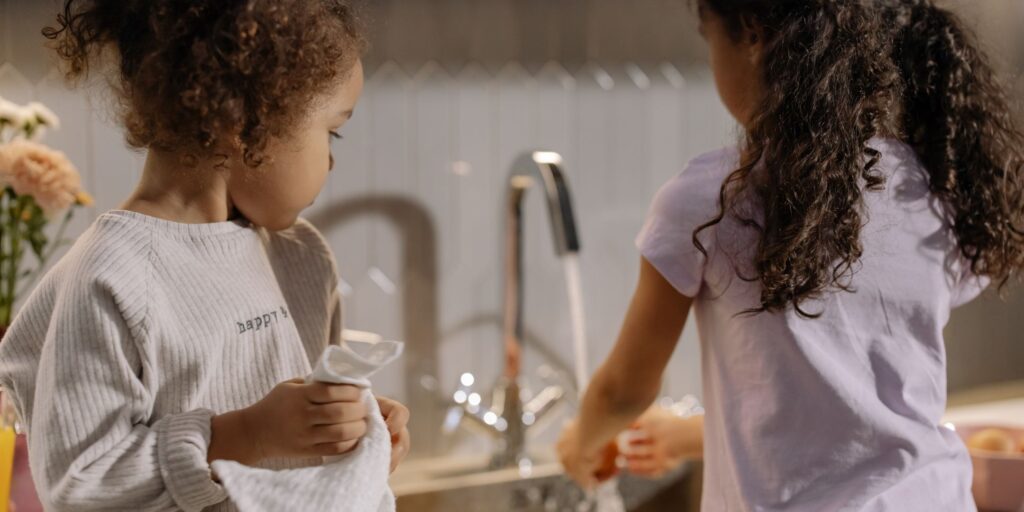
It’s important to show our kids how to contribute to family life and care for their space. Children are often more capable than we give them credit for!
By age 8–12, many kids can:
- Do their own laundry
- Clean a bathroom
- Scramble eggs or make a simple meal
Not only can they do these things — they can become incredible contributors to the family team.
In our home we say two things often:
- “We take care of the gifts God has given us.”
- “We are a team.”
Giving kids responsibilities is a way to teach that life is not all about comfort and convenience. Work is good for us! And even in the midst of grumbling or laziness, these are moments where we can disciple our children.
“Work willingly at whatever you do, as though you were working for the Lord rather than for people.” (Colossians 3:23 NLT)

2. Money Basics: Financial Wisdom Starts Young
How many teens step into adulthood without knowing how to handle money? A Greenlight study found that:
- 3 out of 4 teens don’t feel confident in their financial knowledge.
- 73% want more personal finance education.
And even fewer understand how to handle money God’s way.
Recently my daughter (age 10) raised over $400 for missions by selling bracelets. Now she sells them at markets and through my Facebook page. Through this, she’s learning about:
- Tithing and giving
- Saving
- Spending wisely
- Using her giftings for both God’s glory and personal provision
The Bible has so much to say about money. Teaching our kids these principles now will prepare them for the bigger financial decisions ahead — cars, college, and eventually, homes.

3. Communication Skills: The Confidence to Speak with Kindness
A child or young adult who listens well, speaks kindly, and respects others is going to stand out in this world. Communication is a skill they will use every single day.
It’s not just about future jobs or college. Communication is essential for:
- Healthy relationships with family and friends
- Building confidence
- Resolving conflicts
- Expressing thoughts and feelings clearly
The ability to communicate opens doors to express thoughts and feelings clearly, engage with others well, build confidence, resolve conflicts, and so much more. The Bible is the ultimate guide for communication skills. If you don’t know where to start, look to the book of James!
“Understand this, my brothers and sisters: You must all be quick to listen, slow to speak, and slow to get angry.” (James 1:19 NLT)

4. Problem Solving & Decision Making: Raising Kids Who Think for Themselves
If we want to raise capable adults, we can’t skip teaching problem solving, decision-making, and turning to God for wisdom. And in today’s world — where Google can answer anything instantly — this skill is more crucial than ever.
The simplest way to encourage problem-solving? Ask questions instead of giving answers.
When kids ask for help, try responding with:
- “What do you think we could do?”
- “What would you try first?”
- “What do you think is the best choice here?”
Encourage creative thinking. Be patient with their answers. It’s tempting (and faster) to jump in with a solution, but stepping back gives them space to practice critical thinking.
Practical ideas to help:
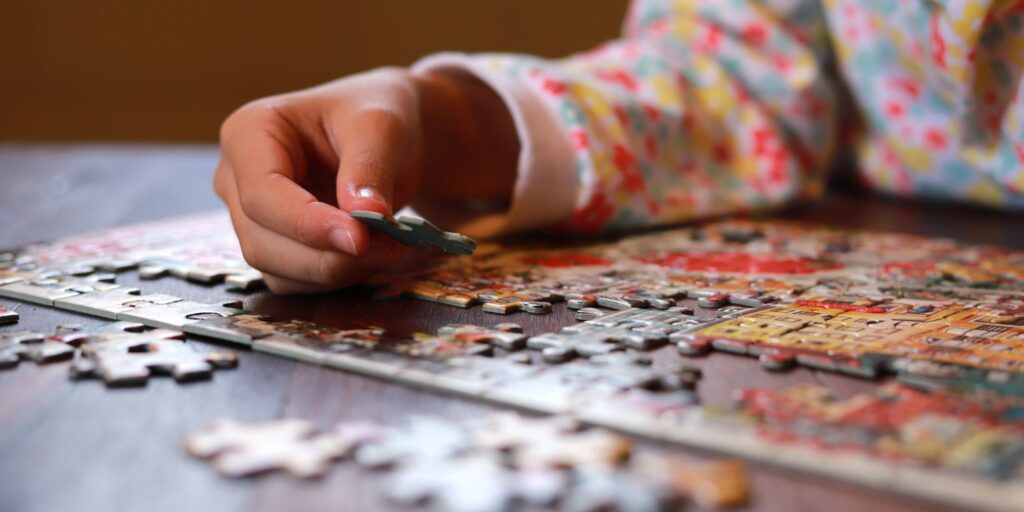
- Play board games or puzzles together
- Use problem-solving workbooks in homeschool
- Encourage kids to try new approaches when they’re stuck
“If you need wisdom, ask our generous God, and he will give it to you.” (James 1:5 NLT)
5. Time Management & Organization: Teaching Kids to Steward Their Time Well
Teaching time management and organization to a younger child might sound complicated…but it’s really about keeping it simple for this age. The goal is to show them that by managing their time and prioritizing the things that matter most, they are being good stewards of the time God has given them.
Ways to teach this skill:
- Review the week together every Sunday or Monday.
- Create colorful charts for daily routines.
- Use timers, checklists, or whiteboards.
- Break big tasks into smaller, manageable steps.
It’s not about forcing kids into a type-A mold. It’s about showing them how to prioritize what matters most. Ask:
- What are the most important things in your life?
- Do your days reflect that?
“So be careful how you live. Don’t live like fools, but like those who are wise. Make the most of every opportunity in these evil days.” (Ephesians 5:15–16 NLT)

Final Thoughts: Give Them Time to Practice While They’re Young
These are just a few of the life skills I believe are most important to teach our children. Yes, we can teach them anytime — but there’s something powerful about starting while they are young and eager to learn.
Give them time to practice. Walk alongside them. Let them fail, try again, and grow.
And most importantly: point them to the One who gives wisdom for every area of life.
We’d love to hear from you: What life skills are you teaching in your home right now? Share in the comments below!
Our first 3 unit studies are out NOW!